The problem
High-performance stone polishing machines require the polishing beam to perform rapid, repetitive strokes while maintaining exceptional tool stability to ensure a consistent surface finish. Even small structural vibrations can lead to variations in contact pressure, uneven polishing patterns, accelerated wear of guides and transmission components, and ultimately reduced machine reliability.
The engineering challenge was to analyze the machine as an integrated mechatronic system, where structural stiffness, moving masses, drive dynamics, and contact conditions all influence the overall dynamic response. The objective was to prevent resonance, ensure structural stability during the most demanding operating conditions—particularly during motion reversals—and minimize vibrations affecting the polishing heads.
This required combining modal, static, and transient dynamic analyses to evaluate the interaction between structural behavior, inertial loads, contact interfaces, and different motion profiles throughout the machine’s operating cycle.
The challenge
The engineering challenge was to approach the system as a mechatronic assembly, in which the structural response depends both on the overall stiffness of the machine frame and on the way the moving masses are accelerated and decelerated during the operating cycle. On the one hand, it was necessary to characterize the natural modes of the assembly and verify that the characteristic frequencies remained sufficiently far from the main operating excitations, evaluating multiple configurations along the stroke to rule out significant variations as the crossbeam position changed.
On the other hand, the machine had to demonstrate structural stability under the most critical operating conditions, particularly during motion reversals, when process loads and inertial effects act simultaneously. A key aspect was to verify that the supports and sliding interfaces remained in stable contact, avoiding local separations that could trigger nonlinear behavior, increased vibration, and loss of accuracy.
Finally, a realistic dynamic representation of the operating cycle was required in order to estimate the magnitude of head oscillations and the loads at the interfaces, comparing different motion profiles to identify those providing the most favorable machine response.
Our contribution
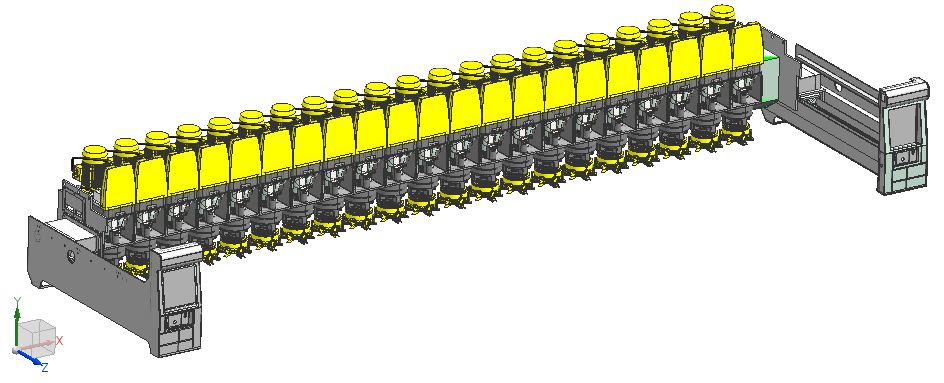
SmartCAE developed an integrated simulation workflow combining finite element analysis FEA with flexible multibody dynamics to accurately predict the machine’s dynamic behavior under realistic operating conditions.
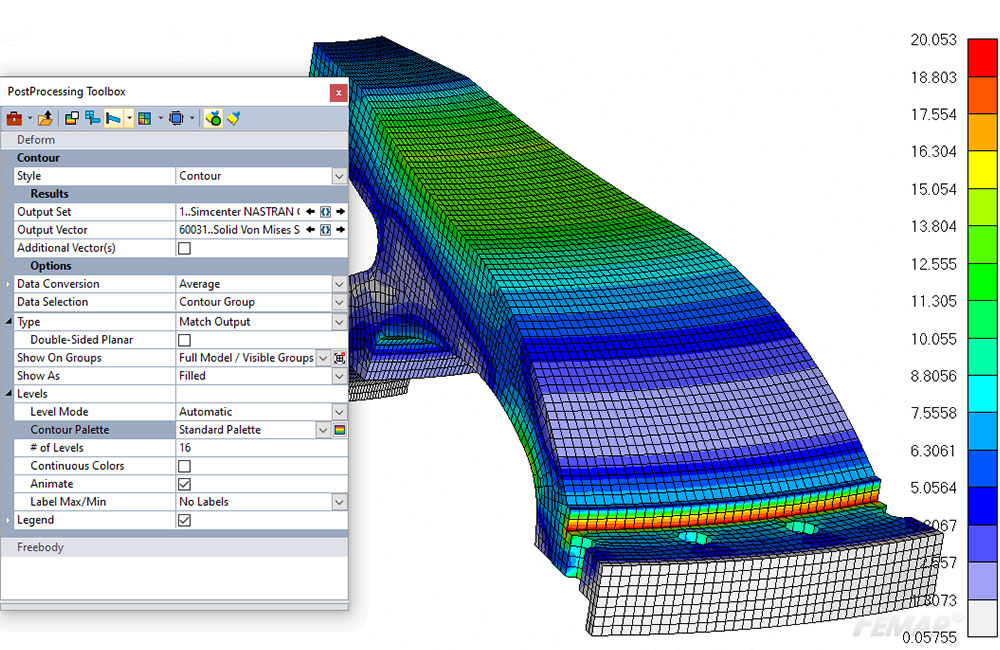
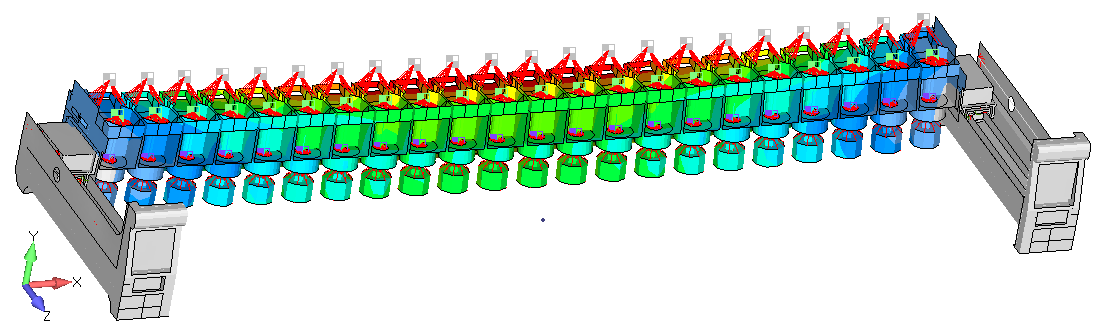
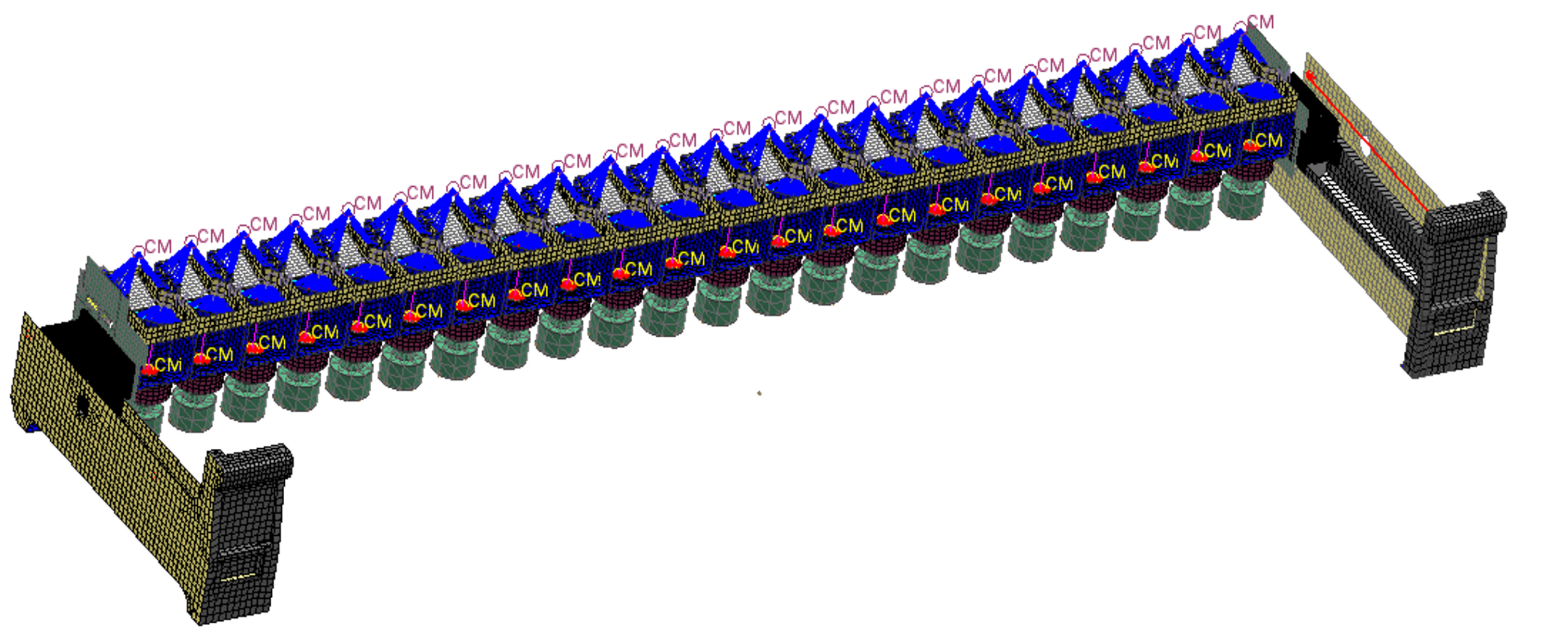
Starting from the machine geometry and mass distribution, detailed finite element models were created for the primary structural assemblies and their connections, allowing accurate representation of stiffness, load transfer, and joint behavior.
Modal analyses were performed in multiple beam positions to verify that the natural frequencies remained sufficiently separated from the machine’s operating excitations throughout the entire travel range. Static structural assessments were then carried out for representative operating, testing, and idle conditions, including the inertial loads generated during acceleration and deceleration phases.
Critical support and sliding interfaces were modelled using nonlinear contact formulations to verify continuous contact stability and eliminate the risk of local separation that could trigger nonlinear dynamic effects and increased vibration levels.
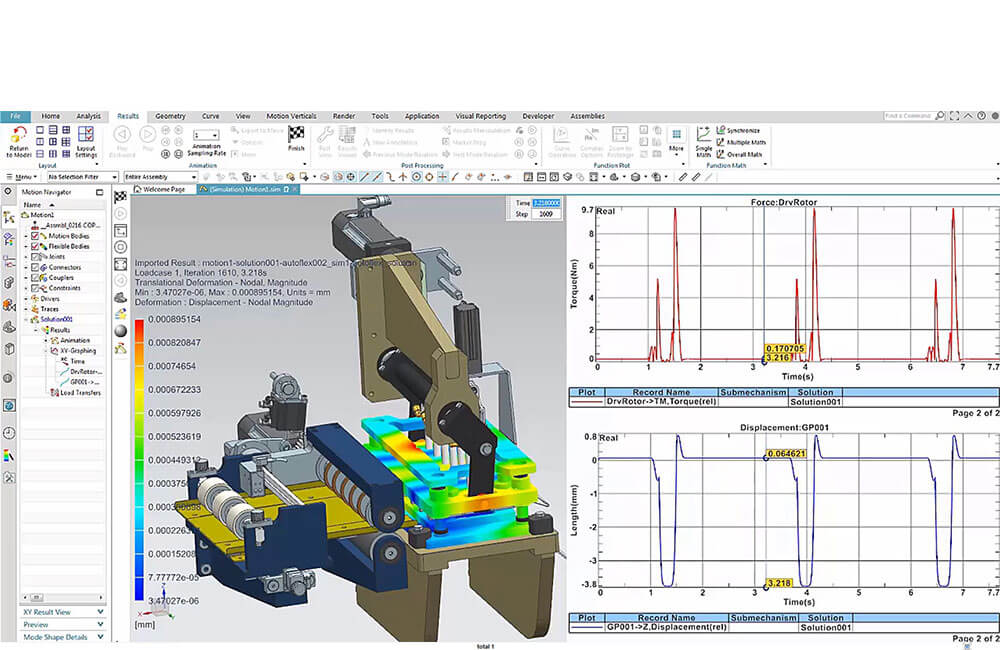
The study was completed with sensitivity analyses evaluating the influence of uncertain parameters, including contact conditions and process loads, to quantify the robustness of the design. Finally, transient flexible multibody simulations reproduced complete operating cycles using different motion laws, enabling direct comparison of polishing head vibrations and interface loads under each drive strategy.
Benefits for the client
The project delivered a comprehensive digital twin capable of accurately predicting the machine’s behavior under the most demanding operating conditions, significantly reducing the risk of identifying dynamic issues only during commissioning or production.
The multi-configuration modal analysis ensured adequate separation between natural frequencies and operating excitations, improving vibration robustness and maintaining consistent polishing quality across the entire machine stroke.
Verification of nonlinear contact stability at the support and guide interfaces increased confidence in the structural design while supporting informed decisions regarding mass distribution, local stiffness, and machine layout.
Sensitivity analyses identified the parameters with the greatest influence on dynamic stability, enabling the customer to define more robust operating windows and validation procedures.
Finally, the comparison of alternative motion profiles provided practical guidance for optimizing the machine’s control strategy, reducing transient loads during motion reversals, lowering stresses on critical interfaces, shortening commissioning time, and accelerating the overall product development process.
Gallery
Validate your product before you build it.
What if you could reduce your prototyping costs by up to 80%? Would you like to know how?
With computer simulation, we help you predict your product's performance under real operating conditions before it is manufactured. By identifying design issues early, you can minimize costly iterations, reduce development time, and launch reliable products right the first time.
Contact us todayFinite Element Structural Analysis FEA
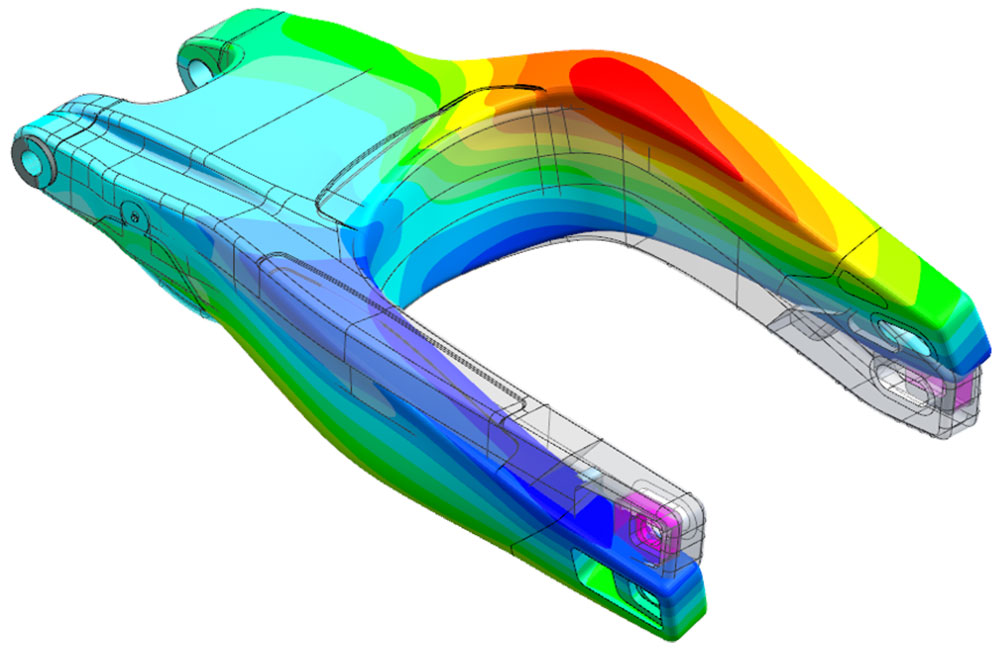
Using finite element analysis FEA, we help companies identify potential product performance issues and implement design improvements long before physical prototypes are built. Learn more about our finite element analysis services.
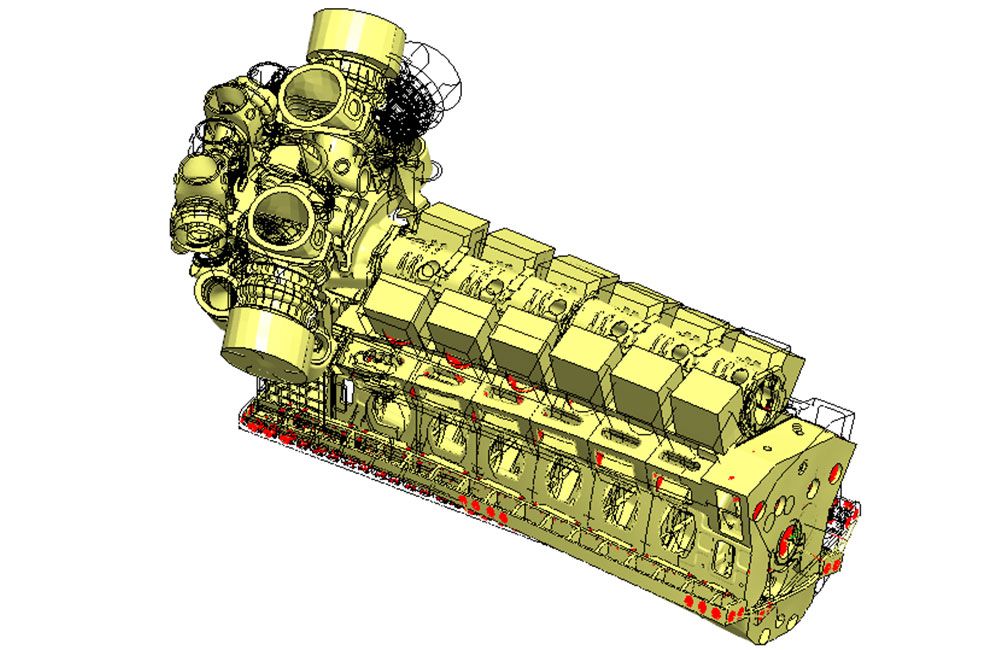
Dynamic Analysis & NVH
Dynamic and Noise, Vibration & Harshness analyses help predict product behavior and mechanical performance under vibration loading. Discover how we can help identify and solve vibration issues in your designs.
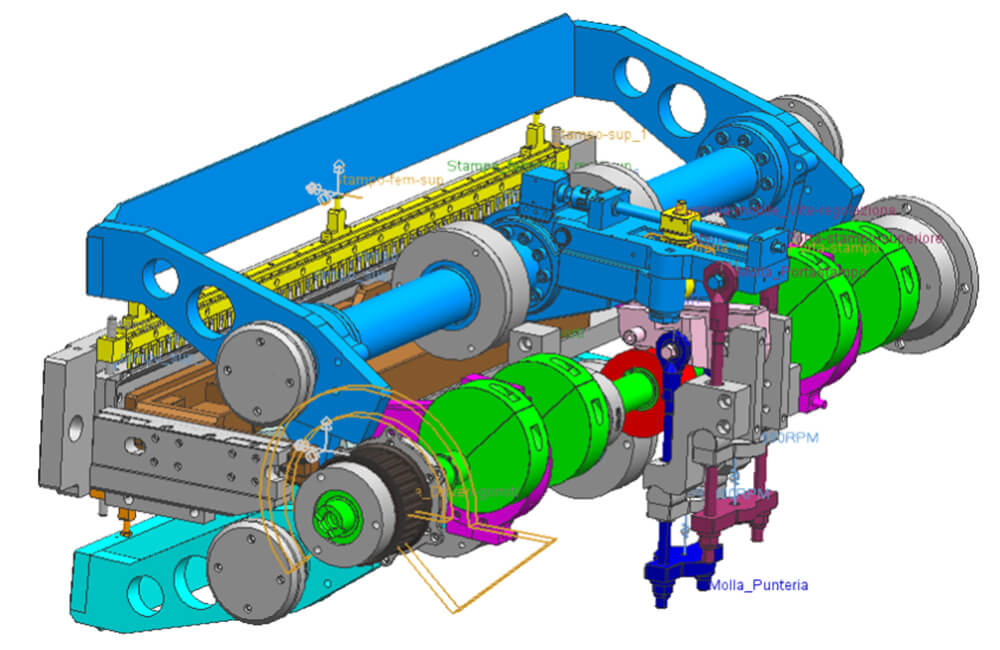
Multibody Dynamics Analysis
Multibody dynamics (MBD) analysis enables the prediction of motion trajectories, velocities, and interaction forces within mechanical systems over time. By creating a digital twin of your product, we can evaluate its performance under real operating conditions before physical testing.
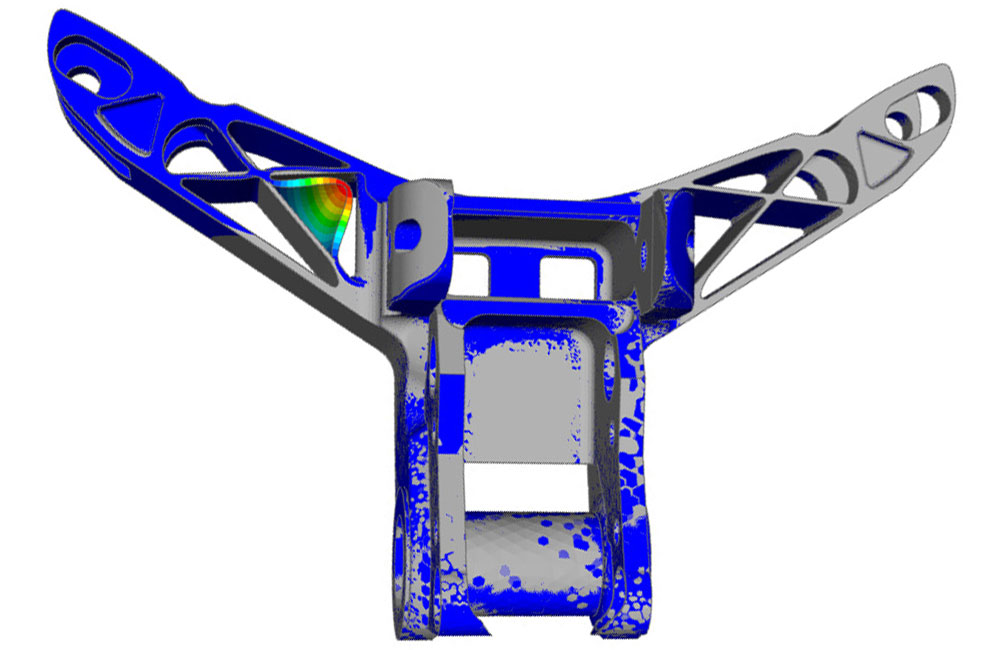
Design Optimization
We have extensive experience in design optimization for automotive, aerospace, and industrial applications. Our expertise is particularly strong in optimizing laminated composite structures to maximize performance while minimizing weight.
CAE Analysis Software
Looking to integrate Virtual Prototyping into your engineering workflow?
Discover our range of CAE software solutions and expert mentoring services. Our specialists will help you select the solution that best fits your needs and ensure its successful integration into your product development process. Contact us today for a free technical assessment.
View all softwareSimcenter 3D
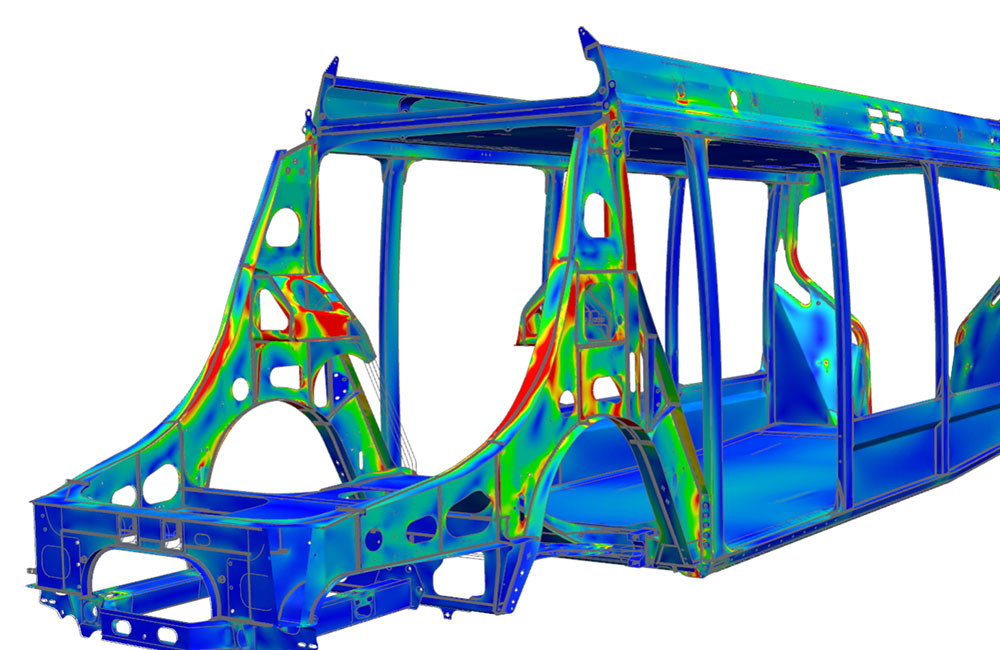
Simcenter 3D is a modern CAE environment that enables rapid product performance evaluation by combining a powerful geometric modeller with an associative pre-processor and integrated multiphysics solvers. Simcenter 3D can perform simulations using geometry created in any CAD system.
Simcenter 3D Motion
Simcenter 3D provides a complete and robust set of capabilities to support all aspects of advanced dynamic, static, and kinematic motion simulation.
Simcenter Femap
Simcenter Femap is a popular finite element analysis software solution that enables structural, dynamic, thermal, and fluid dynamics simulations of products. Simcenter Femap interfaces with any CAD modeller and with leading FEM software solutions.