The challenge
Roof crush testing is one of the mandatory certification procedures required for vehicle homologation, verifying the ability of the passenger compartment to protect occupants in the event of a rollover. Because these tests are destructive, failing the certification often requires a complete redesign of the roof structure and the manufacture of additional prototypes, resulting in significant development time and cost.
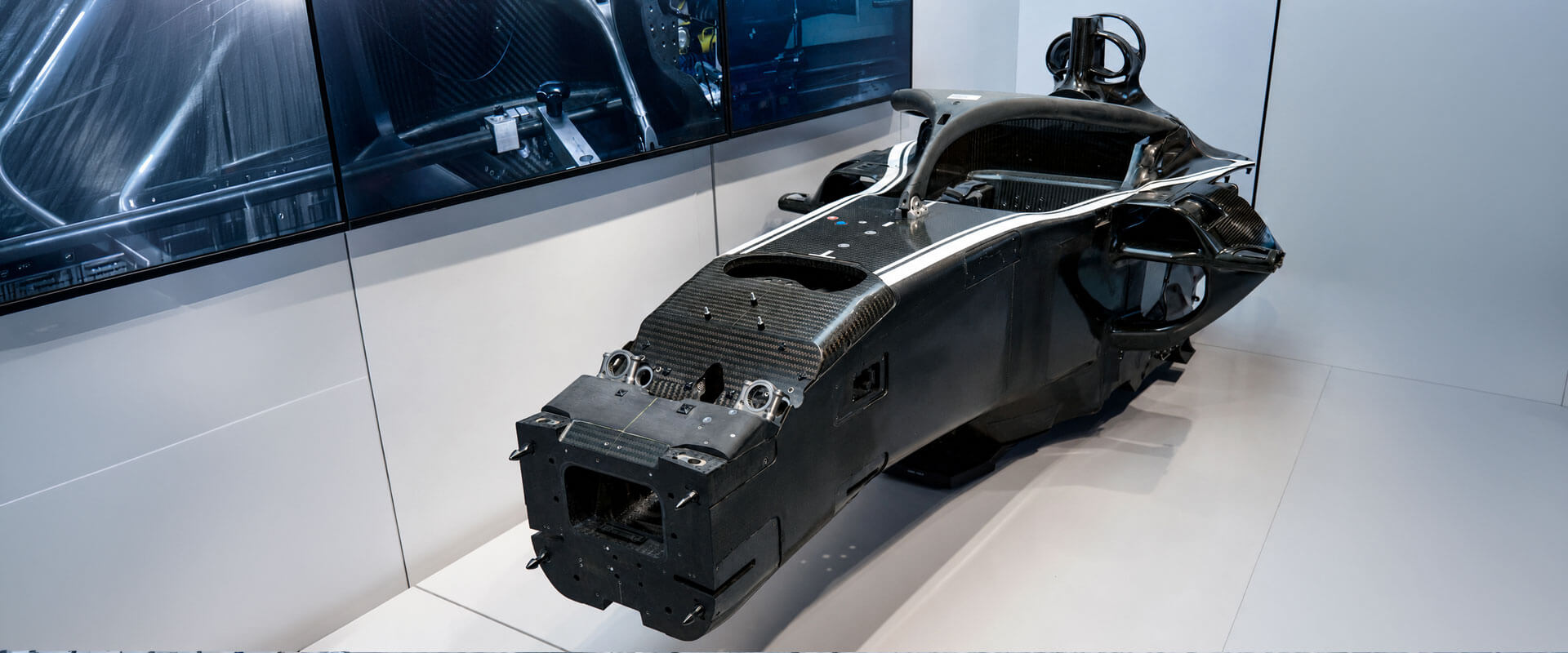
Carbon fiber composite roofs are widely used in supercars and hypercars because their progressive failure mechanisms—such as fiber fracture, matrix cracking, and delamination—allow them to absorb large amounts of energy while maintaining an exceptionally low weight.
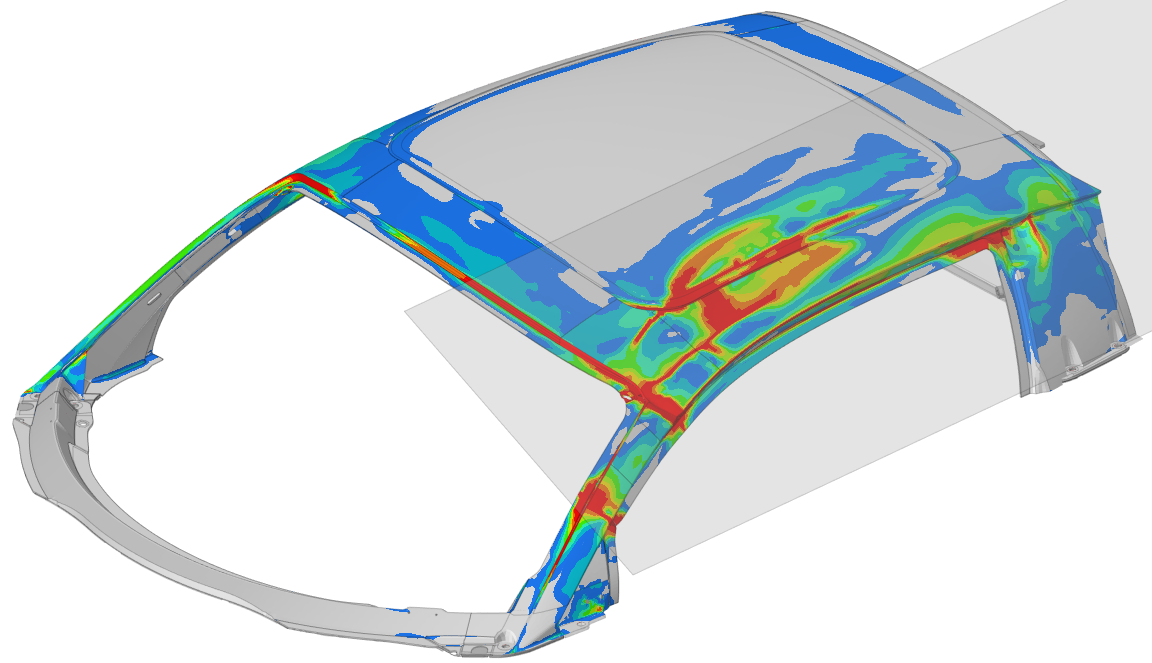
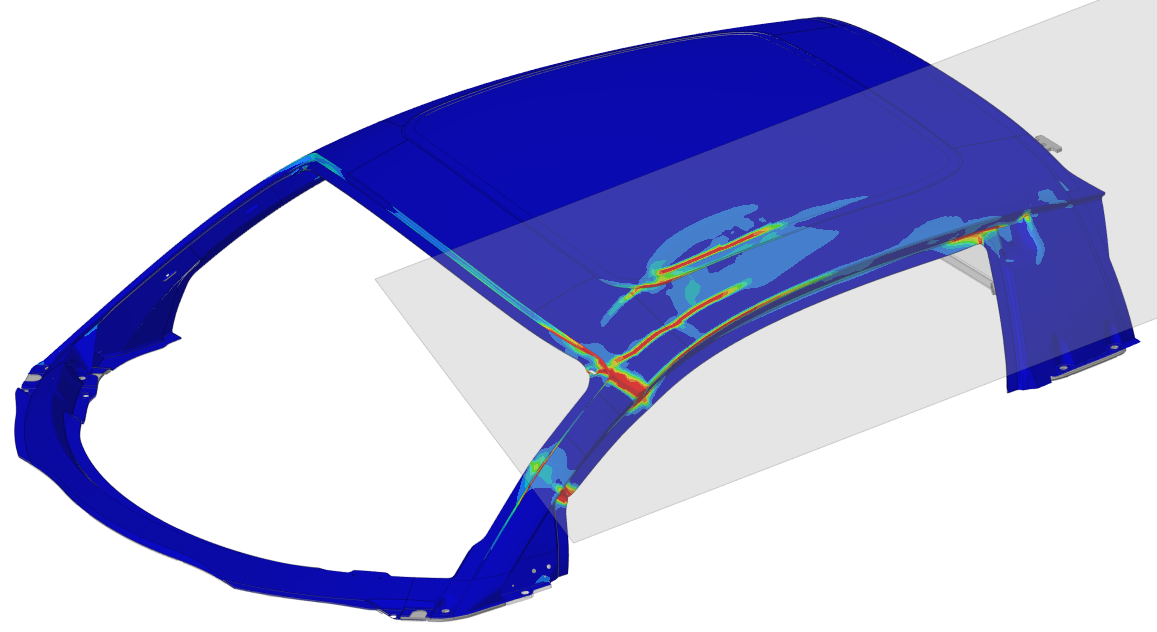
Accurately predicting this behavior requires far more than conventional linear finite element analysis based on First Ply Failure criteria. The engineering challenge is to simulate the progressive damage evolution of composite laminates using advanced nonlinear material models capable of reproducing the complex failure mechanisms that occur during structural collapse. This also demands detailed material characterization and extensive expertise in both composite mechanics and manufacturing processes.
Our contribution
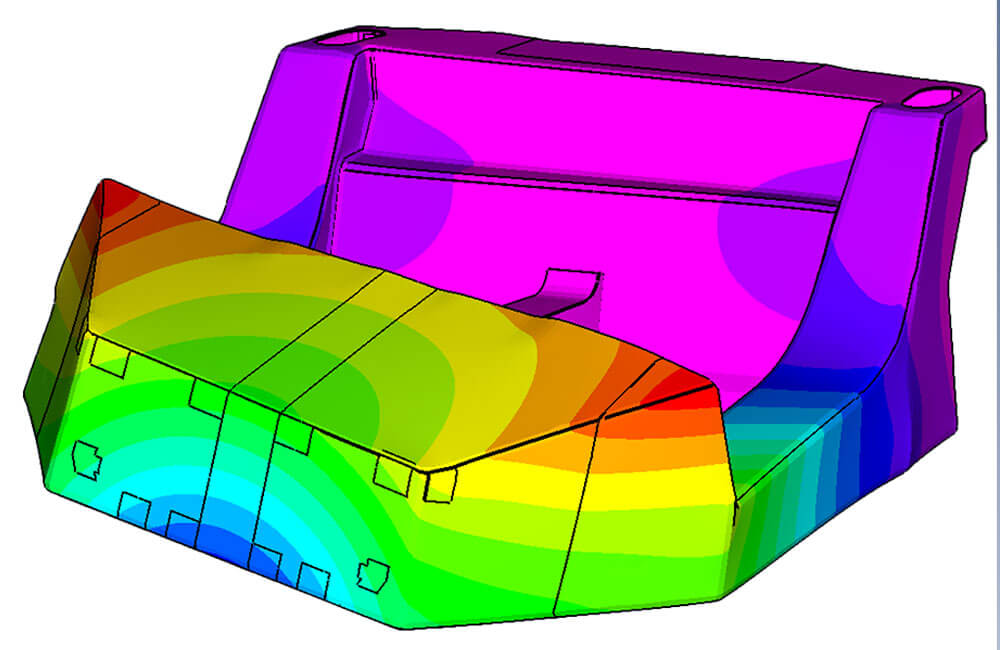
SmartCAE has supported the development of carbon fiber roof structures for high-performance sports cars, including supercars and hypercars, by performing advanced roof crush simulations for homologation.
Over the years, we have developed a robust simulation methodology based on nonlinear finite element analysis and progressive damage material models, allowing us to predict structural collapse beyond the limitations of conventional First Ply Failure approaches.
Our activities also include coordinating the experimental testing required to characterize the mechanical properties of composite laminates, ensuring that the material data used in the simulations accurately represents the manufactured components.
Throughout the project, we work closely with composite manufacturing specialists to define laminate stacking sequences that are both manufacturable and optimized for crash performance, ensuring that the final design satisfies homologation requirements while remaining compatible with production constraints.
Benefits for the client
SmartCAE’s extensive experience in composite structural design, advanced finite element simulation, and carbon fiber manufacturing enables customers to rely on a single engineering partner throughout the entire development process.
Our simulation-driven approach significantly reduces the number of physical roof crush tests required to achieve homologation by identifying the most effective laminate configurations before prototype manufacturing.
This results in shorter development cycles, lower prototype costs, reduced technical risk, and greater confidence that the final roof structure will meet both structural performance targets and regulatory certification requirements.
Gallery
Validate your product before you build it.
What if you could reduce your prototyping costs by up to 80%? Would you like to know how?
With computer simulation, we help you predict your product's performance under real operating conditions before it is manufactured. By identifying design issues early, you can minimize costly iterations, reduce development time, and launch reliable products right the first time.
Contact us todayFinite Element Structural Analysis FEA
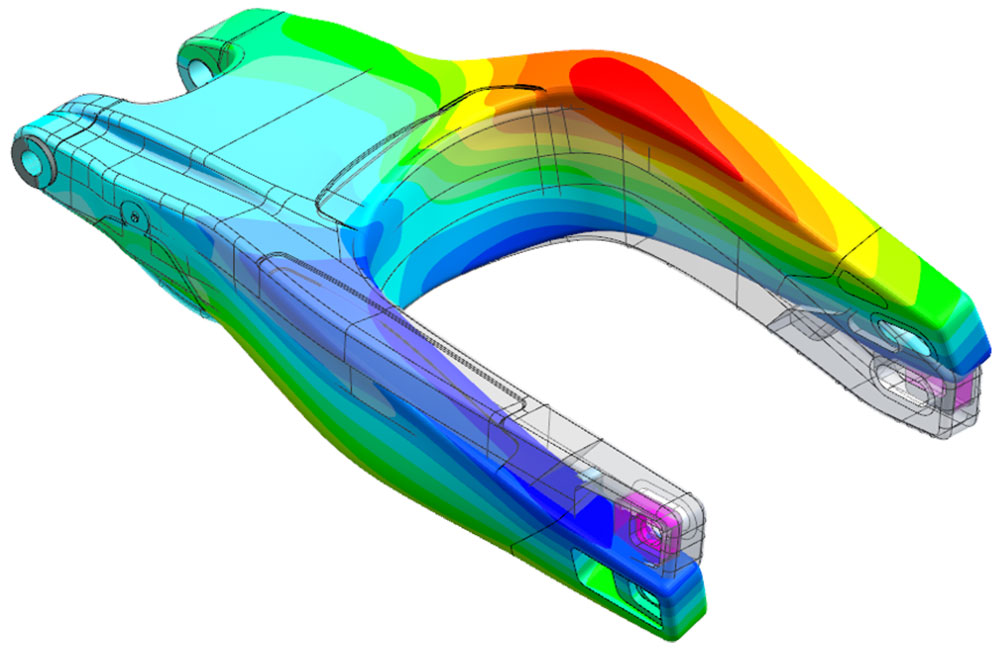
Using finite element analysis FEA, we help companies identify potential product performance issues and implement design improvements long before physical prototypes are built. Learn more about our finite element analysis services.
Composite Materials Engineering
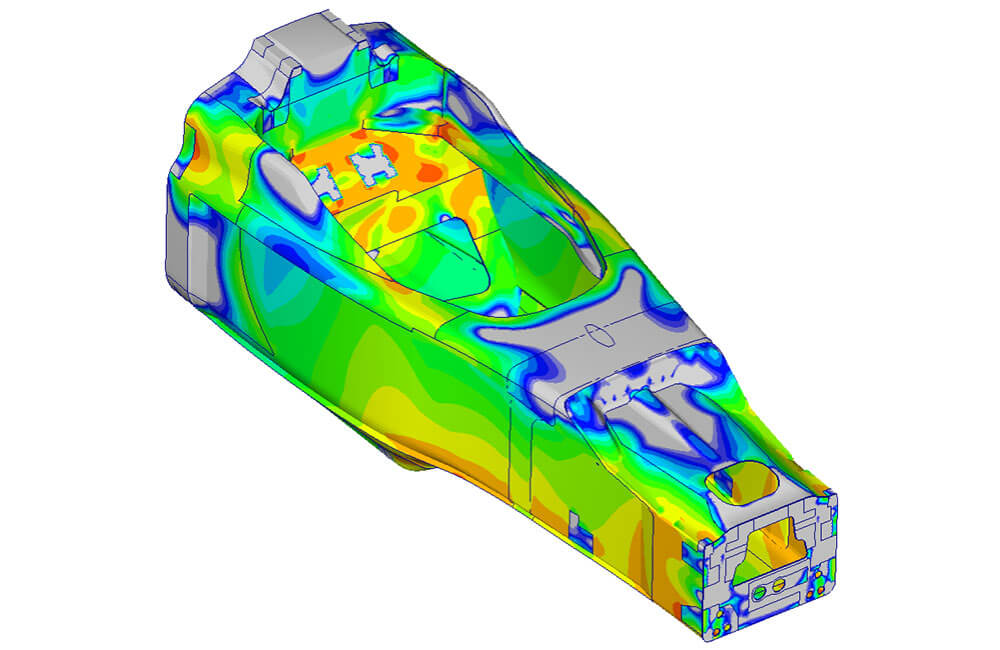
More and more components originally designed in metal are being replaced with high-performance composite materials such as carbon fiber, delivering superior mechanical performance while reducing weight. Let us help you design optimized composite structures.
CAE Analysis Software
Looking to integrate Virtual Prototyping into your engineering workflow?
Discover our range of CAE software solutions and expert mentoring services. Our specialists will help you select the solution that best fits your needs and ensure its successful integration into your product development process. Contact us today for a free technical assessment.
View all softwareLaminate Tools
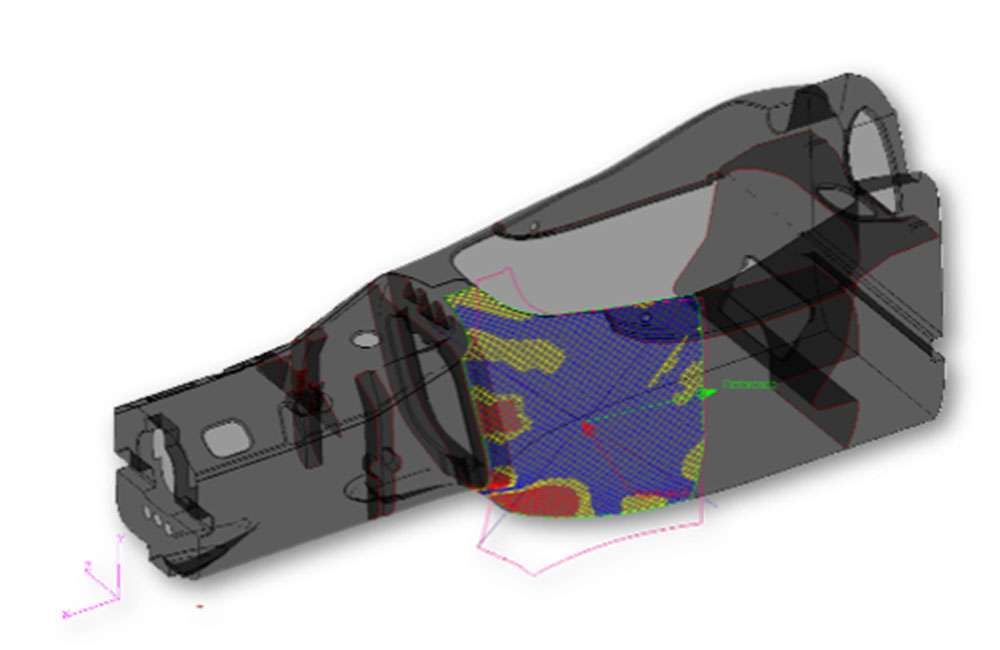
Laminate Tools is an integrated tool that simplifies the design, structural verification, and manufacturing of composite laminates. With Laminate Tools, you can overcome the limitations of traditional approaches to both FEM modelling and the generation of ply shapes and ply books for composite parts.
Simcenter 3D for Composites
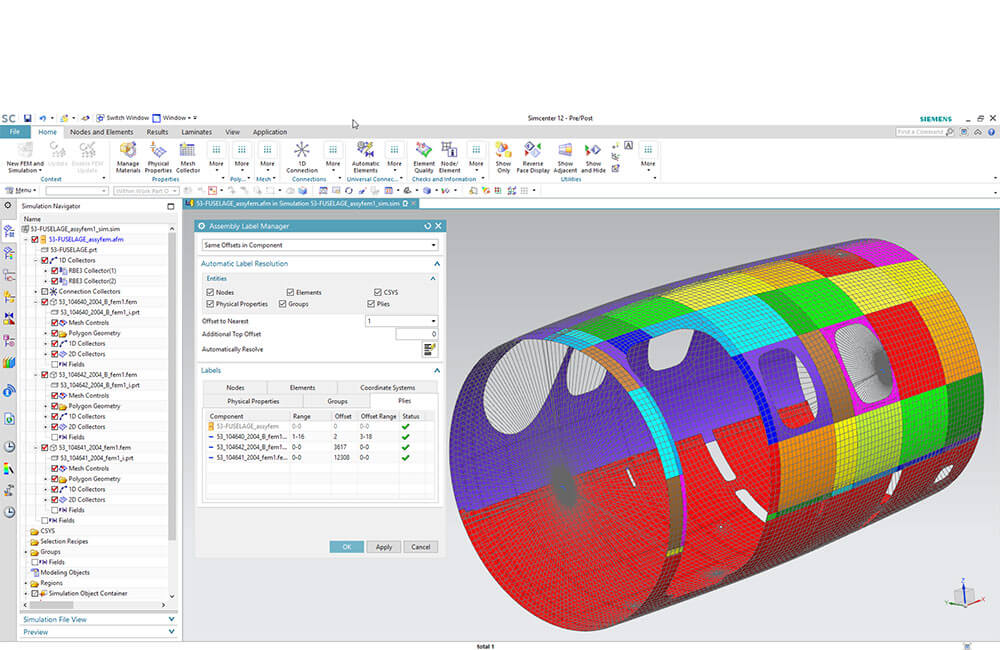
Simcenter 3D is a comprehensive solution for product and process simulation of composite components manufactured using prepreg fibres and hand layup techniques with autoclave curing.
Simcenter Femap for Composites
The use of composite materials in product design has grown significantly in recent years, and Simcenter Femap can help you model composite structures and interpret their results.